What is the best time to visit Manawatū-Whanganui Region?
Nestled in the heart of New Zealand’s North Island, the Manawatū-Whanganui Region is a picturesque combination of urban charm, rolling countryside, and rugged natural beauty. Known for its warm hospitality, this region offers a diverse range of activities and attractions that cater to adventure seekers, nature enthusiasts, and culture aficionados alike. From the vibrant cities of Palmerston North and Whanganui to the serene landscapes along the Manawatū River, this destination welcomes travelers with its unique blend of natural wonders and cultural treasures.
Manawatū-Whanganui Region in summer
Summer in the Manawatū-Whanganui Region, spanning from December to February, is a delightful time for visitors who crave sunshine and outdoor adventures. Temperatures are warm, typically ranging from 20 to 25 degrees Celsius, making it perfect for exploring the region’s stunning landscapes. One can wander through lush forests and witness the breathtaking beauty of the Tongariro National Park. This UNESCO World Heritage Site, with its iconic volcanic peaks and alpine meadows, invites hikers to embark on the famous Tongariro Alpine Crossing.
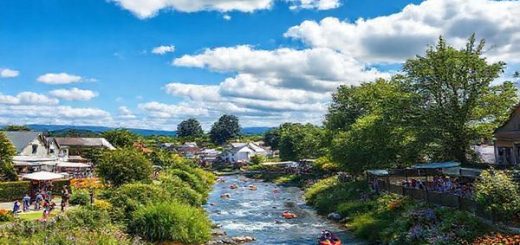
In addition to hiking, summer is ideal for water-based activities. The Whanganui River, woven into the cultural fabric of the region, offers opportunities for kayaking and canoeing in its gentle currents. Meanwhile, coastal areas like the beaches near Levin provide sunbathing, swimming, and picnicking spots. On the downside, summer can be the busiest season, especially around Christmas and New Year’s holidays, which might lead to crowded attractions and increased accommodation rates. Yet, the lively atmosphere and abundance of events make summer an exhilarating time to experience the vibrancy of the Manawatū-Whanganui.
Manawatū-Whanganui Region in winter
Winter in the Manawatū-Whanganui Region, from June to August, brings a different rhythm, presenting areas with a peaceful tranquility. Although temperatures can drop to around 10 degrees Celsius, the crisp air and clear skies offer their own charm. It’s the perfect time to indulge in the region’s cultural offerings. Museums, galleries, and local craft centers in Palmerston North and Whanganui provide an indoor allure that captivates visitors with local art and history.
For those who appreciate a quieter pace, winter is ideal for cozying up in quaint cafes or exploring the region’s history-rich sites such as the Whanganui Regional Museum. While the cold might deter water activities, it offers the rare chance to enjoy the less crowded trails and parks. However, it is important to note that some higher elevations might have snow, affecting accessibility to certain areas. Yet, for those who relish solitude and a break from bustling crowds, winter is an appealing choice.
Manawatū-Whanganui Region in fall
During the months of March to May, the Manawatū-Whanganui Region is draped in the golden hues of autumn, presenting an enchanting spectacle for visitors. Known for its more stable weather after the summer heat subsides, this season offers mild temperatures, creating ideal conditions for outdoor exploration. The changing foliage adds a striking backdrop to scenic drives and hiking trails, making places like the Ruahine and Tararua Ranges particularly alluring.
Nature photographers will find autumn to be a canvas of color and light, drawing in those looking to capture breathtaking landscapes. Farms and orchards offer autumn festivals and harvest events, providing cultural touchpoints and authentic local experiences. While the weather is generally more predictable and tourists are fewer, making accommodations more affordable, it is always wise to pack for occasional rain showers that may accompany the transitional season. Fall stands out for those who appreciate a scenic and leisurely pace without the summer rush.
Manawatū-Whanganui Region in spring
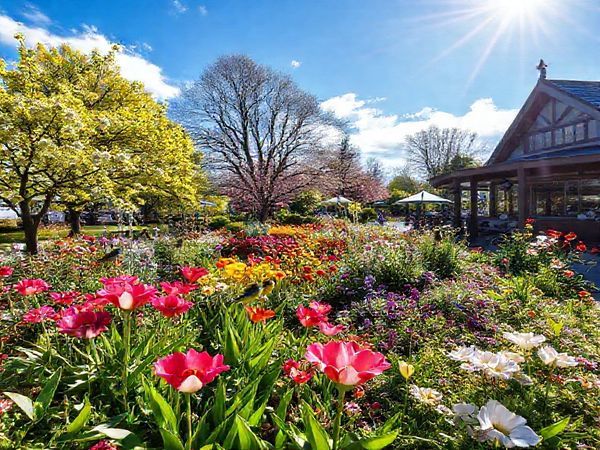
Spring, from September to November, breathes new life into the Manawatū-Whanganui Region, making it an uplifting time for a visit. As the region awakens from winter, blooming gardens and lush greenery enchant nature lovers. The vibrant gardens at places like the Victoria Esplanade in Palmerston North become a palette of colors, drawing visitors to stroll among fragrant flowers.
Adventure enthusiasts particularly enjoy spring for its wildlife watching opportunities. Native birds flock to the region’s lush parks and nature reserves, creating ideal birdwatching conditions. The milder climate also allows for a pleasant experience on walking and cycling trails. However, spring weather can be unpredictable, with a chance of rain and gusty winds, so packing appropriately is a must. Despite the variable weather, spring is often chosen by those who revel in the reinvigoration of nature and comfortable exploration over peak season popularity.
So, what time is the best to visit Manawatū-Whanganui Region?
The best time to visit the Manawatū-Whanganui Region largely depends on your interests and activities planned. If you are drawn to outdoor adventures and vibrant events, December to February promises sunny skies and a lively atmosphere. For a quieter cultural immersion without the hustle and bustle, consider traveling between June and August. Should you wish to witness the mesmerizing fall foliage or attend local harvest festivities, March to May provides the most appealing conditions. Meanwhile, if the awakening of nature in spring captures your heart, plan your visit for September to November. Ultimately, the Manawatū-Whanganui Region offers a unique allure each season, persuading travelers to explore its charm whenever the opportunity arises.